Category Archives: Uncategorized
Preventing Metal Building Condensation: Pro Tips to Keep Moisture Out

Condensation may seem like a minor problem, but inside a metal building, it can cause significant headaches. Left unchecked, condensation can lead to mold, mildew, corrosion, and even structural damage. It can warp materials, destroy stored goods, and create a breeding ground for harmful bacteria.
Fortunately, condensation is entirely manageable with the right approach. By using innovative design, high-quality materials, and proper maintenance, you can drastically reduce or even eliminate condensation issues in your metal structure.
In this guide, you’ll see how condensation forms, why it’s a problem, and most importantly, how to stop condensation in a metal building.
What Causes Condensation in Metal Buildings?
Condensation occurs when warm, moist air comes into contact with a cold surface, such as a metal roof or steel wall panel. As the air cools to its dew point, water vapor condenses into visible droplets on interior surfaces.
In metal buildings, this typically happens when:
- Occupants and activity generate warm, moist air (people, machinery, livestock, etc.)
- Outdoor humidity levels rise due to weather or seasonal changes.
- Cold surfaces like steel panels meet warmer indoor air.
- Poor ventilation traps moisture indoors.
- Ground moisture seeps up through an unsealed concrete slab or foundation.
These conditions combine to create ideal circumstances for excessive moisture and condensation problems.
Understanding what causes condensation is the first step in preventing it. Let’s explore why it’s critical to address.
Why Controlling Condensation Matters
Condensation isn’t just inconvenient; it can cause real damage over time.
- Structural damage: Water droplets on metal surfaces can lead to rust, corrosion, and deterioration of fasteners and purlins, ultimately shortening the lifespan of your steel building.
- Health risks: Persistent moisture promotes the growth of mold and mildew, which can compromise air quality and pose health risks to occupants.
- Property damage: Stored equipment, tools, documents, and inventory can suffer water damage when exposed to moisture buildup or mildew.
Moisture problems inside a metal structure can escalate rapidly, transforming minor condensation issues into major building science challenges.
Preventing condensation should be a key component of your core building strategy. Let’s look at how to do it.
How to Prevent Condensation in Metal Buildings
Stopping condensation starts with a multi-layered approach: blocking moisture at the source, controlling temperature differences, and ensuring consistent airflow.
Use Vapor Barriers
Vapor barriers are your first line of defense. These materials stop water vapor from migrating into cooler areas where it can condense.
- Placement: Install under the concrete slab, inside wall cavities, and along the underside of the metal roof.
- Types: Polyethylene plastic sheets, foil-faced insulation, or vapor retarder membranes.
- Function: Prevents warm, moist air from reaching cold metal surfaces.
Vapor barriers act as invisible shields, keeping moisture where it belongs: outside your structure.
Proper Insulation is Key
Effective insulation regulates indoor temperatures and reduces the chance of warm air reaching cold surfaces.
- Recommended types: Closed-cell spray foam insulation offers a built-in air barrier and vapor retarder. Fiberglass insulation with a vapor backing or rigid board insulation can also work well with proper installation.
- Climate tip: Choose the appropriate R-value for your region. Warmer climates may need less insulation than cold regions prone to cold air and temperature swings.
Insulation serves a dual purpose: it conserves energy and reduces the buildup of condensation.
Ensure Adequate Ventilation
Ventilation allows for air exchange, removing humid air before it becomes a problem.
- Natural ventilation: Ridge vents, roofline louvers, and sidewall vents enable airflow without the need for mechanical systems.
- Mechanical systems, such as powered fans or HVAC setups, can provide reliable airflow in larger or high-traffic buildings.
- Benefits: Helps manage relative humidity and indoor temperature, especially during extended periods of high moisture.
Think of ventilation as your building’s lungs: air in, air out, moisture gone.
Install a HVAC System with Dehumidifier
For buildings with consistent humidity issues, mechanical systems may be necessary.
- HVAC systems: Regulate indoor humidity and temperature year-round. Consider installing air conditioning to help cool and dry indoor air during the summer.
- Dehumidifiers: Ideal for garages, workshops, and storage units with poor airflow.
If natural airflow isn’t enough, mechanical systems pick up the slack in moisture control.
Site Prep and Floor Sealing
Don’t overlook the floor. Ground moisture is one of the most common culprits.
- Concrete slab: Install an under-slab vapor barrier and seal the concrete to reduce water vapor rising into the interior.
- Gutters and grading: Direct rainwater away from the building foundation to prevent water intrusion from outside.
Good ground prep today prevents costly moisture issues tomorrow.
Thermal Breaks and Insulated Panels
A thermal break is a material that stops the flow of heat through metal surfaces.
- Why it matters: Prevents cold bridging where warm air meets cold surfaces, such as studs or roof panels.
- Solutions: Use insulated metal panels or insert rigid foam between framing and sheathing to separate interior heat from cold air outside.
A small thermal break can lead to significant improvements in temperature control and moisture prevention.
Now that we’ve covered prevention, here’s how to respond when condensation problems are already occurring.
How to Stop Condensation in a Metal Building
If you’re already seeing water droplets or visible condensation, don’t panic; there’s a proven process to fix it.
Step-by-Step Action Plan
- Identify moisture sources: Inspect the interior of the building, including the roofline, fasteners, joints, and floors, for leaks or trapped humidity.
- Improve ventilation: Add or upgrade ridge vents, wall louvers, or mechanical exhaust fans.
- Retrofit vapor barriers: Install vapor retarders inside roof and wall assemblies if possible.
- Use dehumidifiers: Portable units can be particularly helpful in small or medium-sized buildings.
- Upgrade insulation: Address missing or failing insulation by considering the addition of spray foam for comprehensive coverage.
- Seal openings: Caulk or weatherstrip around windows, doors, and other gaps to stop warm, moist air from leaking in.
- Call a professional: If condensation persists, an expert can assess airflow, humidity levels, and insulation performance to determine the cause and recommend solutions.
Quick action can stop condensation issues from escalating and protect your steel building investment.
Seasonal Tips to Minimize Moisture
Condensation risks shift throughout the year, so your strategy should adjust with the seasons.
- Winter: Heated air inside meets cold metal surfaces. Check for thermal breaks and proper insulation.
- Summer: Humid outdoor air infiltrates cooler interiors; focus on ventilation and air conditioning to balance humidity levels.
- Maintenance: Inspect your metal building’s ventilation systems, insulation, and vapor barriers before the onset of seasonal changes.
- Temporary measures: Use weather-stripping and portable dehumidifiers as needed during seasonal transitions.
Being proactive with seasonal maintenance can help prevent condensation issues before they start.
Why Choose Worldwide Steel Buildings
At Worldwide Steel Buildings, we understand the unique condensation issues associated with steel construction, and we design to prevent them from the start.
- Custom designs: Our buildings are tailored to your environment, occupancy, and use, reducing condensation risk from the ground up.
- Premium materials: We utilize top-tier insulation, vapor barriers, and ventilation options tailored to your specific climate.
- Proven expertise: With decades of experience and a deep understanding of building science, we help our customers avoid costly condensation problems.
When you choose Worldwide Steel Buildings, you’re investing in a metal structure built for durability, comfort, and moisture control.
Build Smart. Stay Dry.
Condensation in metal buildings doesn’t have to be a fact of life. With the right combination of planning, insulation, ventilation, and moisture control, you can avoid condensation issues altogether.
Whether you’re building a warehouse or workshop, we’ll help you get it right from the start.Ready to design your metal building with condensation prevention in mind? Check out our 3D building designer to get started with a custom quote or speak to a steel building expert today.
Planning a Metal Building Addition? Why Metal Building Kits Make Expansion Easier
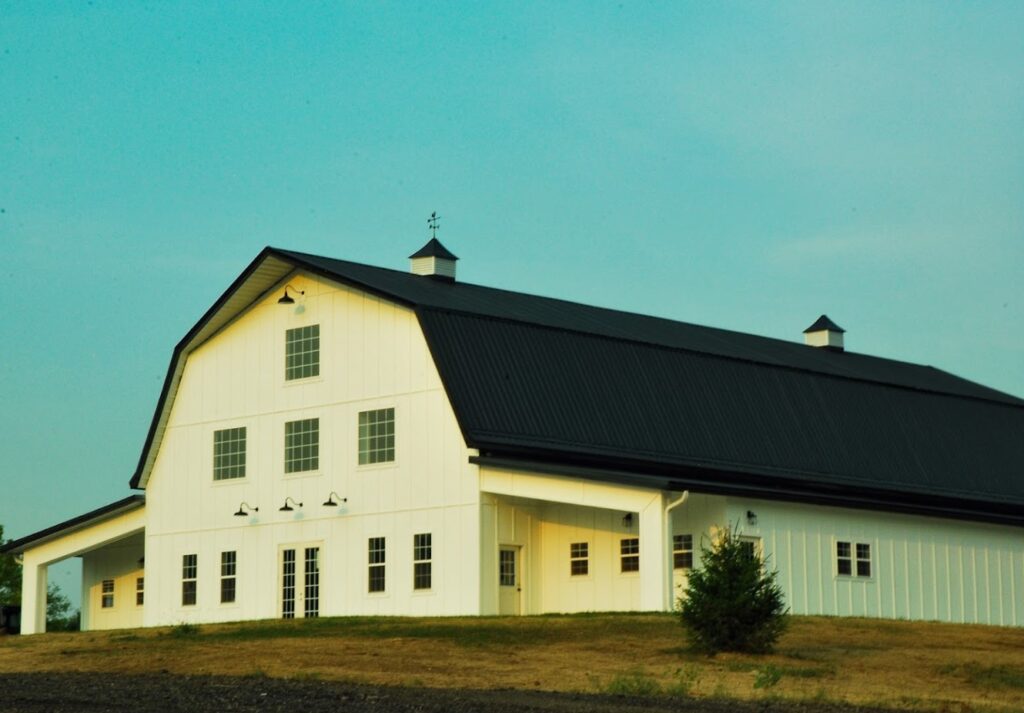
When businesses, homeowners, or organizations outgrow their current facilities, expansion becomes a natural next step. Yet the construction process for traditional buildings often comes at a steep price, with long timelines and countless disruptions. That’s why many property owners are turning to metal building kits.
You might be weighing the choice between expanding your existing structure or starting fresh with a new build. Steel offers a more efficient, affordable, and customizable path forward. If you’ve been wondering exactly how to add on to an existing metal building, you’ll be glad to know the process is simpler than you might expect.
Why Expansion with Steel Buildings Is Easier
One of the most significant benefits of metal construction is that it’s engineered with future expansion in mind. Unlike conventional buildings, where modifications can be expensive and disruptive, steel framing and prefab systems make growth straightforward. From cost savings to durability, it’s worth understanding how steel building additions simplify the process compared to conventional construction.
- Scalability: From metal garages to barndominiums, steel framing allows for easy expansion without compromising structural integrity.
- Cost Savings: Prefab components reduce both material and labor costs, making your building addition cost less per square foot than traditional builds.
- Speed of Construction: Prefabricated parts streamline the process, cutting construction time and minimizing downtime.
- Flexibility: Whether you’re adding lean-tos or new bays, you can expand through endwalls, sidewalls, or roof height adjustments.
- Durability: A high-quality steel building is naturally resistant to fire, pests, and severe weather, all while being low-maintenance over decades.
With these advantages in mind, the next step is understanding how to plan a seamless expansion.
Planning a Metal Building Addition
Good expansion projects start with good planning. When designing your initial metal building, it’s essential to consider your long-term needs and how your space may need to expand in the future. Considering factors like projected square footage, functionality, and possible upgrades ensures you won’t be limited later on. A well-thought-out plan sets the stage for seamless integration when it’s time to add a new addition to your existing structure.
- Budgeting & Timeline: Factor in the potential for a new addition when you first calculate your square footage and projected costs.
- Endwall Types:
- Post-and-beam: Common, but harder to modify later.
- Expandable frames: Engineered for smoother future add-ons.
- Site Planning: Evaluate property lines, easements, and specific needs like parking or access.
- Permits & Codes: Secure approvals early to ensure your building project meets local building codes.
For businesses and homeowners who want to stay ahead of future growth, exploring custom metal building designs makes planning more straightforward and adaptable.
How to Add on to an Existing Steel Building
Expanding your custom metal building is simpler than you might expect, especially when working with the original manufacturer. The modular nature of steel structures allows for expansion in multiple directions without interrupting daily building use. With the right approach, you can create additional space that blends seamlessly with your original design. Here are some common strategies.
- Endwall Expansion: Remove or reconfigure the endwall to extend your square footage.
- Sidewall Expansion: Add a lean-to, perpendicular addition, or bay along the sidewalls.
- Other Modifications: Increase width, raise roof height, or add a gable for greater clearance.
This flexibility makes it possible to adapt your metal structures to match your evolving requirements, whether it’s for metal garages and workshops, barns, or barndominiums.
Benefits of Choosing Metal Building Kits for Add-Ons
Working with prefab metal building kits brings a host of additional advantages over traditional construction. These systems are designed for efficiency, making it possible to integrate your expansion quickly while maintaining structural integrity. From energy efficiency to modular flexibility, the benefits make it clear why kits are the top choice for homeowners and business owners alike.
- Efficiency & Seamless Integration: Bolt-together steel framing fits into your existing building systems without hassle.
- Modular Flexibility: Expand length, width, or height depending on your building type.
- Cost-Effective Growth: Reduced labor needs and faster construction mean steel additions consistently cost less per square foot than conventional materials.
- Energy Efficiency & Customization: Add insulation, facades, and finishes to create energy-efficient metal buildings that look as good as they perform.
- Minimal Downtime: Most expansions are built without disrupting ongoing operations.
Still, there are a few things to watch out for before you break ground.
Common Considerations & Pitfalls
While metal expansions are more straightforward than conventional builds, they’re not without their challenges. Overlooking engineering requirements or skipping building permits can create costly setbacks. To avoid mistakes, keep these points in mind:
- Structural Integrity: Never cut or alter load-bearing columns without engineering approval.
- Permits & Codes: Expansion is subject to local regulations; stay compliant from day one.
- Professional Support: Always consult your original supplier or an experienced contractor to guide your construction process.
Once those bases are covered, you can follow a straightforward process to expand with confidence.
Step-by-Step Checklist: How to Add on to an Existing Metal Building
Expanding a steel structure is easier when you have a roadmap to follow. A simple checklist helps property owners visualize each stage of the process, from evaluating their site to completing finishing touches.
- Evaluate property and site constraints.
- Determine the type of expansion (endwall, sidewall, new bays, or roof height/width adjustment).
- Review the original engineering of your existing building.
- Consult professionals or the manufacturer.
- Order your prefabricated expansion kit.
- Assemble with minimal disruption.
- Customize with insulation, metal roof upgrades, or aesthetic finishes.
- Maintain after construction:
- Inspect annually
- Clean metal roof and siding
- Complete timely repairs
With this checklist, you’ll have a clear path to a successful expansion.
Expand Smarter with Worldwide Steel Buildings
A metal building addition isn’t just a quick fix for extra space; it’s a long-term investment in flexibility, durability, and value. Whether you’re extending a metal barn, upgrading a pole barn, or adding more living quarters to a barndominium, steel framing and prefab systems make growth seamless. With customizable floor plans, you can expand in a way that perfectly fits your specific needs, from storage space to workshops to modern residential features.
By learning how to add on to an existing steel structure, you can future-proof your property, increase square footage affordably, and avoid the pitfalls of traditional construction.
Don’t wait until you’ve outgrown your space. Design your addition today. Contact Worldwide Steel Buildings to start planning your expansion with confidence.
Pole Barn vs. Barndominium: The Complete Guide to Building Your Dream Space
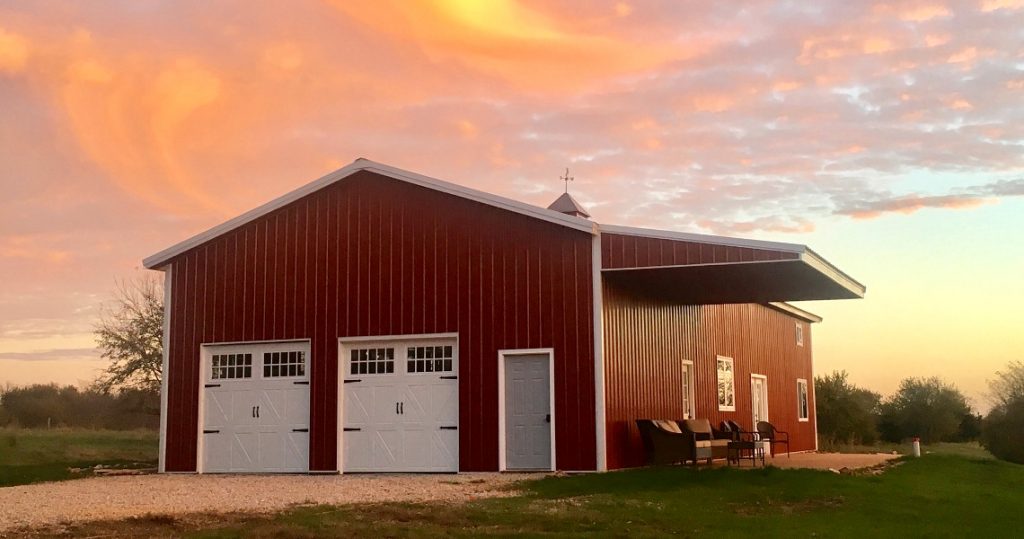
If you’re considering building a custom home, workshop, or hybrid living space, you’re not alone. Pole barns and barndominiums, affectionately called barndos, are on the rise across the country. Thanks to their cost-effectiveness, open floor plans, and streamlined home construction timelines, both structures offer compelling alternatives to traditional homes. But when it comes to pole barn vs barndominium, how do you know which one fits your vision, budget, and goals?
This guide compares both options in detail, examining cost, durability, style, building codes, and more, to help you confidently plan your dream home or multi-use space.
What Is a Pole Barn?
Pole barns have long been the go-to choice for agricultural buildings, storage facilities, and DIY workshops. Today, more homeowners are exploring ways to turn these simple structures into affordable living quarters.
Definition & Basics
A pole barn is a type of post-frame construction, built using large vertical wooden or metal posts anchored directly into the ground or onto a concrete slab. These posts support the roof trusses, eliminating the need for load-bearing interior walls.
Builders originally designed pole barns for utilitarian purposes, such as barns, livestock shelters, and storage for farm implements. Still, they are increasingly adapting them for use as homes and post-frame buildings.
Features & Benefits
From workspaces and storage to future living quarters, these structures offer a range of benefits that make them a popular choice for homeowners and DIYers alike. Pole barns are known for their:
- Affordability: Materials and construction costs often start at $25–$50 per square foot.
- Versatility: The open design allows you to adapt your floor plans to fit a variety of spaces, from a garage to a pole barn house.
- Fast Build Time: You can complete construction in as little as two to three weeks using prefab pole building kits or DIY setups.
- Expandable Design: Their simple structure makes it easy to add square footage later.
While perfect for functional needs, converting a basic pole barn into a comfortable living space requires additional work, including HVAC, plumbing, and insulation.
What Is a Barndominium?
If you’re looking to combine rustic charm with modern functionality, a barndominium may be the ideal building option. These hybrid metal buildings are redefining what a “dream home” can be.
Definition & Basics
A barndominium is typically a metal structure, or post-frame building, that merges residential living space with workspace, garage, or storage areas. These structures may resemble traditional barns on the outside but offer the comforts of a fully outfitted custom home on the inside.
Features & Benefits
Barndominiums offer a modern twist on classic barn-style architecture, combining the durability of steel with the comfort and style of a custom home. With their open layouts and customizable interiors, barndos offer a lifestyle that’s both practical and uniquely personal. Barndominiums are popular for their:
- Multi-use Design: Combine home and shop under one roof, with open spaces and flexible layouts.
- Durability: Steel frame construction resists termites, mold, and warping, unlike wood frame buildings.
- Design Variety: From cozy and rustic to sleek and modern, barndominiums fit a wide range of styles.
- Lower Insurance Costs: Thanks to fire-resistant, weather-tough metal siding and structural steel.
Barndominiums and barn‑style homes that combine living space with workshop or recreational areas have become one of the fastest‑growing trends in custom building across the United States.
At Worldwide Steel Buildings, we’ve responded to this surge by fielding tens of thousands of quote requests from homeowners nationwide. Our barndominium kits are fabricated in‑house, which means you can design a steel shell that fits your exact specifications without paying the markups often charged by third‑party suppliers. Because we manufacture and ship these kits directly, you enjoy both price transparency and flexible design options.
Comparing Costs & Build Processes
Before you start designing your barndominium home or pole barn house, it’s crucial to understand how their costs, timelines, and materials compare.
Cost Breakdown
- Pole Barn: Materials and labor typically cost $20–$60 per square foot.
- Barndo Shell: Prefab barndominium kits run $25–$50 per square foot.
- Full Build: Finished barndos average $65–$165/sq ft, depending on the finishes, placing a 1,500 sq ft build between $98,000 and $247,000.
Overlooked Costs
While upfront pricing is important, it’s the overlooked expenses that can catch many first-time builders off guard. Don’t forget these additional costs:
- Foundation: A concrete foundation or slab can cost between $0 – $14 per square foot..
- Interior Finish: Insulation, interior walls, electrical, and plumbing can add tens of thousands of dollars to the final price.
- Financing Challenges: Some lenders are hesitant to finance non-traditional homes. Be sure to work with one familiar with metal structures or alternative residential builds.
Materials & Durability
- Wood Frame: Traditional post-frame construction is more affordable, but it can be susceptible to rot, shifting, and termite infestations.
- Steel Frame: Manufactured by Worldwide Steel, this steel is fire-resistant, durable, and engineered to last over 50 years.
Worldwide Steel Buildings’ in-house steel fabrication sets them apart, delivering consistent quality with no third-party outsourcing.
Design & Customization
Beyond structure and cost, the type of building often comes down to your vision for space, style, and layout.
Layout Flexibility
- Pole Barns: Ideal for garages, workshops, and open storage. Living area add-ons require planning and permits.
- Barndos: Custom house plans include bedrooms, kitchens, lofts, and even mezzanines, with all the modern conveniences of a traditional home.
Style Choices
Barndominiums support:
- Open floor plans
- Rustic wood finishes or modern minimalist exteriors
- Unique elements like balconies, porches, and dormers
Regulations & Permits
- Pole Barn: May require fewer permits for storage use, but always check local building codes and zoning laws.
- Barndominium: Requires residential approvals, just like any new home.
Design and Customization Options at Worldwide Steel
Worldwide Steel Buildings makes designing your barndo or pole building seamless.
- 3D Design Tool: Customize your building’s sq ft, roof style, metal siding colors, door placements, and porch options in real-time.
- Prefab Barndos: Multi-story kits with dormers, balconies, and even shouse setups—rare offerings in the industry.
- Interior Kits: Add-on packages for insulation, HVAC rough-ins, and wall studs make interior buildout easier.
- Energy-Efficient Designs: Steel buildings are naturally more sealed and energy-efficient than traditional wooden structures.
Choosing the Right Structure for Your Lifestyle & Budget
Choosing between a pole barn and a barndominium ultimately comes down to your specific needs, goals, and lifestyle preferences. To make the right choice, start by evaluating what matters most to you and how you’ll use and enjoy that space every day. Ask yourself:
- Do I want a home construction project or just a functional building?
- Am I prioritizing budget and speed (pole barn) or lifestyle and comfort (barndominium)?
- What do local building codes, HOA rules, and land-use laws require?
Actionable Tips
- Define your goals: Use, budget, and timeline.
- Partner with experienced builders for your pole/post-frame or steel frame project.
- Plan ahead and budget for finishes, including interior walls, plumbing, and HVAC systems.
- Research insurance and financing options; seek out lenders and insurers who are familiar with alternative home builds.
Build a Space That Reflects Your Vision
Both pole barns and barndominiums offer cost-effective, customizable solutions for homeowners seeking something different from traditional builds. The right choice depends on your specific needs, including functionality, timeline, vision, and design aesthetic.
With thoughtful planning and the right builder, either structure can become your stylish retreat or ultimate workspace.
Why Choose Worldwide Steel?
When it comes to strength, customization, and affordability, Worldwide Steel Buildings sets the standard in the industry.
- Built with American steel, fabricated in-house
- Backed by a 50-year structural warranty
- Fully customizable with an industry-leading 3D design tool
- Competitive pricing with no middleman markup
- Financing partnerships for DIY or full-service projects
Whether you’re building a fast, practical pole barn or a modern, stylish barndominium home that will last for decades, Worldwide Steel provides you with the tools, support, and quality to bring your vision to life.
Impact of Steel Tariffs: What It Means for Your Next Building Project
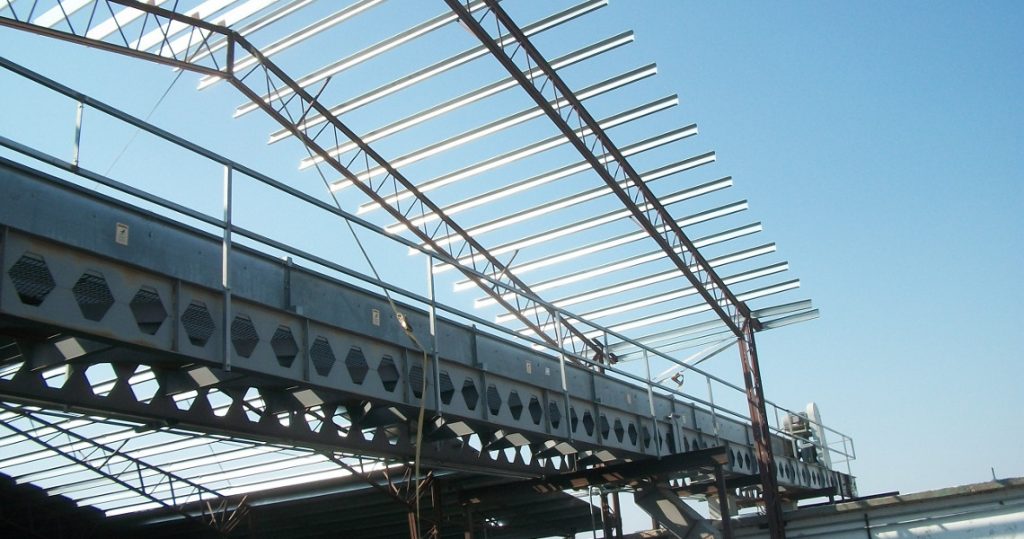
Steel prices are back in the headlines. Unfortunately, it’s not for the reasons most builders and homeowners were hoping. In June 2025, the Trump Administration announced a sweeping increase in steel and aluminum tariffs, raising import taxes by up to 50%. This latest development in U.S. trade is making waves across the construction industry, from commercial developers to residential DIY builders.
If you’re planning a build in the next 12–24 months, understanding the impact of higher tariffs is crucial. From the rising cost of steel buildings to shifting supply chains, these economic changes can have a direct effect on your project timeline and budget. The good news? Working with an American manufacturer like Worldwide Steel Buildings helps you sidestep many of these disruptions, offering stability, transparency, and long-term value in uncertain times.
What Are the Steel Tariffs in 2025?
To start, let’s clarify what these tariffs are. A tariff is essentially a tax placed on imported goods. Governments use them to protect local industries by making foreign products more expensive and less competitive. In the case of steel and aluminum, tariffs aim to boost domestic production, encourage job growth, and reduce dependency on imports of steel and aluminum from foreign suppliers that may undercut U.S. industries.
Following a recent policy update in mid-2025, the White House announced a 50% tariff increase on a broad range of steel products and aluminum imports. President Trump implemented these new tariffs under an expansion of Section 232. They are justified on the grounds of national security, protecting the American steel and aluminum industries from dumping practices and market manipulation abroad.
So what does this include?
- Raw steel beams
- Pre-fabricated metal components
- Finished steel framing
- Various aluminum production inputs
These higher tariffs apply to U.S. imports from international trade partners, including some countries that were previously given exemptions. The goal is to encourage U.S. buyers to source their steel and aluminum needs from domestic production. However, this trade policy has ripple effects, creating unintended consequences on domestic builders, contractors, manufacturers, and individual buyers who are part of a globally connected economy.
Those most affected include:
- Foreign producers now facing steep U.S. barriers
- Importers and distributors that rely on overseas materials
- Manufacturers that utilize global supply chains are navigating a more restricted global market
- Builders and buyers who absorb the downstream price increases
While these policies aim to benefit American industries, they pose significant challenges for anyone involved in new construction, especially when attempting to predict budgets and material availability.
How Do Tariffs Affect Building Material Prices?
The most immediate effect of higher import tariffs is a price spike for imported steel. But that’s just the beginning. Even American-made steel buildings, such as those offered by Worldwide Steel Buildings, are influenced by these market shifts.
Here’s how the ripple effect works:
- Imported steel becomes more expensive, shrinking the available supply.
- Demand for domestic steel rises sharply as buyers shift their focus to local production.
- U.S. steel mills and steelmakers increase prices to reflect higher demand and limited capacity.
- Increased costs hit suppliers, contractors, and ultimately the end user.
It’s important to understand that even if you’re not directly purchasing foreign steel, these higher tariffs impact the overall pricing environment. A 2025 report from SteelCo Buildings noted that the average per-ton cost of construction-grade steel has increased by more than 20% in the last year, following the U.S. tariff expansion.
But the volatility isn’t limited to steel. Other building materials are also being squeezed:
- Wood remains expensive, primarily due to persistent supply chain issues and high demand for housing following the pandemic.
- Container-based construction has surged in popularity, but shipping container prices have also climbed, driven by higher prices and international trade delays.
- Aluminum tariffs have driven up prices in roofing, siding, and structural components, affecting even hybrid builds.
It’s also critical for customers to understand that the total cost of a steel building includes more than just framing and panels. Tariffs and material inflation affect items like windows, doors, insulation, and hardware, components that often involve aluminum or imported parts. These added expenses can increase the final price, especially when combined with rising labor and shipping costs.
While Worldwide Steel Buildings maintains control over its domestically sourced framing and core materials, we do not directly set prices for these third-party components. Unfortunately, this can result in sticker shock for buyers who weren’t expecting the total cost to add up during the final budgeting process. That’s why we encourage early conversations and realistic planning, so there are no surprises when your comprehensive project quote is finalized.
This broader inflation in building material prices puts pressure on budgets, especially for builders working on tight margins or fixed-bid contracts. With all major materials under pressure, the overall cost of construction continues to climb. Choosing a transparent, factory-direct manufacturer like Worldwide Steel can help you plan more accurately and avoid unexpected hurdles later in the process.
Why American-Made Steel Still Makes Sense
With so much pricing turbulence, why does it still make sense to invest in steel, especially when compared to other options? The answer lies in where and how you source your materials.
At Worldwide Steel Buildings, we manufacture our framing systems using 100% U.S.-sourced steel. That means:
- No exposure to higher tariffs
- No delays from overseas shipping or customs holdups
- No last-minute cost changes due to global trade disputes and policy changes
We operate with a factory-direct model, giving you greater transparency and control throughout the building process. Our domestic supply chain isn’t just a selling point. It’s a strategic advantage in today’s economic environment.
Beyond economics, there are tangible benefits to choosing American-made steel:
- Reliable lead times: With materials sourced and produced domestically, we avoid waiting for shipments stuck in international ports.
- Support for U.S. jobs and communities: Every building purchased helps fuel the American manufacturing industry and steel mills.
- Environmental stewardship: The U.S. steel industry adheres to stricter environmental regulations than many of its global competitors.
- Stability despite ongoing shifts in international trade: As global supply chains become increasingly unpredictable due to higher tariffs and geopolitical tensions, sourcing materials domestically ensures more reliable timelines and fewer unexpected cost fluctuations.
By working with a company like Worldwide Steel, you’re not only safeguarding your project against cost volatility, you’re also investing in quality and resilience.
Steel vs. Wood in 2025: Rethinking Value
Many builders have long defaulted to wood for its lower upfront cost. But that calculation is shifting. In 2025, the cost of steel buildings and wood-frame structures is often more comparable than ever before, and steel is increasingly proving its worth as the smarter long-term investment.
Here’s why:
1. Durability and Longevity
Steel structures are resistant to mold, termites, fire, and rot. They don’t warp with humidity or shrink over time. In contrast, wood-framed buildings often require frequent repairs, replacements, and pest treatments.
2. Lower Insurance Premiums
Due to its resilience against wind, water, and fire, steel is considered a safer building material by insurers. Many commercial and residential owners see lower monthly premiums on steel buildings compared to wood-frame alternatives.
3. Sustainability
Modern steel is recyclable, and many American mills now use electric arc furnaces for cleaner production. This reduces the carbon footprint of your build, especially compared to lumber that relies heavily on deforestation
4. Minimal Maintenance
Painted or coated steel framing doesn’t require regular staining or sealing. Over time, that means you’ll save money and spend less effort on upkeep.
As reported in an Aegis Metal article, more project owners are opting for steel because it delivers more durability and fewer headaches, particularly in regions prone to extreme weather or seismic activity. Steel remains the most cost-effective long-term building material, even with tariff-related pressures and an unpredictable global market.
What This Means for Your Next Building Project
If you’re planning a project for late 2025 or 2026, here’s the bottom line: acting sooner is better. Material costs are unlikely to go down anytime soon, and with trade policy constantly evolving, higher tariffs on steel buildings could be on the horizon.
Here’s what we recommend at Worldwide Steel Buildings:
• Lock in pricing now.
Our team can help you secure a quote that reflects today’s material rates before they shift again. Thanks to our in-house manufacturing, we offer pricing stability that many competitors can’t match.
• Start with our 3D Building Designer.
This free tool allows you to customize the size, layout, and features of your structure in real-time. You’ll get an instant sense of design possibilities without committing to anything upfront.
• Ask about in-stock specials.
We frequently offer special pricing on popular sizes and configurations made from our existing inventory of domestic steel. These are a great way to save without compromising on quality.
• Talk to a real expert.
Our team is 100% U.S.-based and ready to walk you through every phase of the planning process. Whether you’re building a commercial storage facility, garage, airplane hangar, or custom barndominium, we’ve got you covered.
Don’t wait for prices to rise again. We’re here to help you beat the price hikes and get a structure that lasts. Acting today could mean thousands saved tomorrow.
Final Thoughts: Navigating 2025 with Confidence
Yes, the impact of steel tariffs is real, and it’s reshaping the construction industry. But that doesn’t mean you’re at the mercy of international trade policy. With a proactive approach, a solid strategy, and the right partners, you can move forward with confidence without blowing your budget.
At Worldwide Steel Buildings, we believe in transparency, especially when it comes to cost. We give you the competitive edge through:
- U.S.-based sourcing that avoids the volatility of global steel imports
- Benefit from access to high-quality American-made materials unaffected by international trade uncertainty.
- Transparent pricing—even amid higher tariffs and increased costs
- Gain peace of mind with a team committed to your long-term success
From imported fixtures to finish materials, trade policy and global market conditions touch nearly every part of a building project.
Working with Worldwide Steel means you’ll have a partner who helps you prepare, not just build. We provide detailed quotes, upfront conversations, and expert guidance to help you understand the entire picture so that you can move forward with confidence and without surprises.
Ready to take the next step?
Browse our steel building kit options or contact our team directly to secure your price before the next market shift. Let us help you build a durable, American-made structure, without any surprises.
Guide to Foundations for Metal Buildings
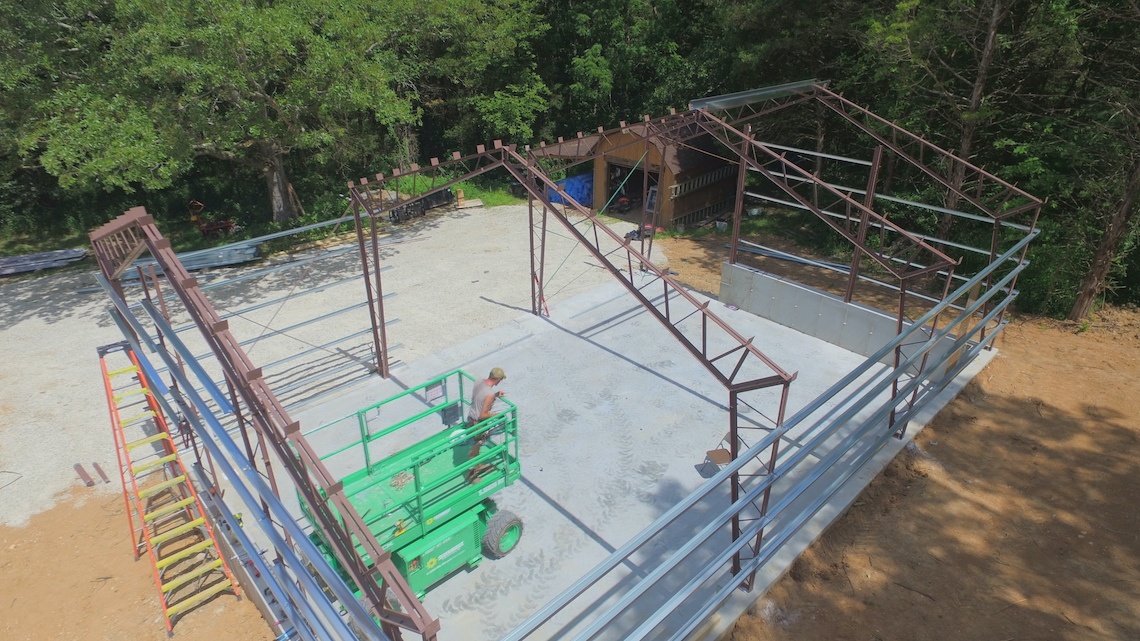
A solid foundation is the backbone of any structure, and this holds especially true for a metal building project. An adequately designed foundation for a metal building ensures structural stability, prevents shifting, and contributes to the building’s longevity. Even the best steel frame structures can suffer from misalignment, excessive movement, and costly repairs over time without a strong base.
Pre-engineered metal buildings are known for their durability, efficiency, and cost-effectiveness. Unlike traditional structures, they rely on a robust foundation that accommodates their load-bearing requirements while factoring in environmental and soil conditions. Choosing the right foundation system is critical to the overall integrity of the metal structure.
Types of Foundations for Steel Structures
The foundation of a steel building significantly influences its performance. Foundations for prefabricated metal buildings are different and generally more complicated than those for conventional structures. Engaging the services of a licensed structural/foundation engineer who is experienced in designing and constructing a steel building foundation is recommended.
There are several types of metal building foundations. Different foundation types cater to various soil conditions, building loads, and structural requirements. Some of them are more expensive but perform better. Others are cheap but unreliable. Understanding the benefits of each option helps ensure a strong and long-lasting foundation.
Slab Foundation
A concrete slab is one of the most common and cost-effective options for steel building foundations.
Benefits and Uses:
- Provides a flat, even surface for construction
- Ideal for commercial and industrial building systems
- Works well in areas with stable soil conditions
- Can integrate anchor bolts for added stability
Pier and Beam Foundation
A pier foundation uses concrete piers to support the building above the ground, often combined with grade beams for added reinforcement. This foundation is particularly useful in regions with unstable or uneven terrain.
Suitable Scenarios:
- Areas with uneven or expansive soils
- Locations requiring additional ventilation underneath the structure
- Buildings needing flexibility for plumbing or wiring adjustments
Perimeter Footings or Walls
A perimeter foundation consists of a reinforced concrete foundation that follows the outline of the building. It provides continuous support along the building’s edges and is particularly beneficial for larger commercial structures.
Advantages for Metal Buildings:
- Offers excellent load-bearing support
- Ideal for commercial building projects needing enhanced structural integrity
- Works well with anchor bolts to secure the steel frame
Foundation Planning
Proper planning is essential for designing a stable, long-lasting foundation for a metal building. This stage involves evaluating the soil type, assessing the building’s weight load, and ensuring compliance with local building codes. Local building authorities can provide information on frost line requirements in your area. This guarantees that your foundation will be unaffected by freezing, thawing, and erosion. In addition, frost-lines are incredibly important if you plan to connect any plumbing to your metal building. A well-planned foundation will contribute to the longevity and safety of the structure. A reputable contractor is a great resource when considering issues like flood zones, soil, frost lines, building size, and applications. These conditions will vary greatly based on environmental factors, climate and local regulations.
Site Assessment
A thorough site assessment is crucial before beginning any metal building project.
- Conduct an analysis to determine soil conditions and stability. This includes checking for moisture retention, compaction levels, and potential soil expansion, which can affect foundation performance. Soil types vary greatly, and the foundation must be suited to the specifics of the site.
- Work with a foundation engineer to evaluate load-bearing capacity. A professional assessment ensures the selected foundation system can handle the weight of the steel structure, preventing settling and shifting over time.
Design Considerations
The foundation design must account for both the environment and the unique characteristics of the steel building.
- Factor in wind, snow, and seismic loads for foundation design. These forces can impact structural stability, making it essential to reinforce foundations. If you happen to be in an area with heavy winds, snow loads, or in areas prone to extreme weather, those need to be factored in since any pressure put on the building is transferred down to the foundation.
- Plan for possible metal building project expansions. If future growth is anticipated, the foundation should be designed to accommodate additional weight or extensions without requiring major modifications.
Local Regulations
Compliance with local regulations ensures the foundation meets safety and legal standards.
- Check local building codes for permit requirements. Many jurisdictions have specific guidelines for steel building foundation construction, including depth, reinforcement, and anchoring techniques. Your concrete contractor should be knowledgeable and be able to assist you with the process.
- Ensure zoning compliance. Zoning laws dictate property use, setback distance, and foundation design specifications, which must be adhered to before construction begins.
Consult a Structural Engineer
Seeking expert advice can prevent costly mistakes and structural failures. Consult a foundation engineer who specializes in foundation systems for steel structures. They can optimize the foundation’s design, ensuring it effectively distributes loads and resists environmental stresses. Engineers can also recommend material enhancements such as reinforced concrete or additional anchor bolts to improve long-term durability.
Foundation Materials
Selecting the right materials is critical for a strong and substantial steel building foundation. The choice of materials depends on the building’s weight, environmental conditions, and specific project needs. Concrete, steel reinforcements, and alternative materials each play a crucial role in foundation stability.
Concrete Options
Standard concrete is suitable for lighter loads, such as small residential or storage buildings, where structural stress is minimal. It is an economical choice for projects with stable ground conditions and lower load-bearing requirements.
Reinforced concrete offers superior strength for industrial steel building foundations by incorporating steel rebar or wire mesh. This reinforcement enhances the foundation’s ability to withstand heavy loads, resist cracking, and endure environmental stressors like seismic activity and ground shifts.
Steel Reinforcements
Enhance foundation resilience using steel mesh or rebar, which distributes stress more evenly throughout the foundation, reducing the risk of localized failures. Prevent cracking and shifting over time, especially in high-load applications, by reinforcing weak points and increasing the tensile strength of the foundation.
Other Materials
Consider additional reinforcements like gravel beds or vapor barriers for specific building supplies. Gravel beds help with drainage and prevent moisture buildup, while vapor barriers reduce the risk of water infiltration, protecting the foundation from long-term damage.
Construction Steps
Building a foundation for a metal building requires a structured approach. Each step, from site preparation to curing, plays a crucial role in ensuring the foundation’s strength and stability. Proper execution prevents structural issues and costly repairs.
Excavation Process
Before laying the foundation, the site must be properly prepared. Excavation involves removing vegetation, debris, and unsuitable soil to create a level base.
- Properly grade and clear the site for foundation preparation. Grading ensures adequate drainage, preventing water accumulation that could weaken the foundation over time.
- Soil compaction is a crucial step, as it increases load-bearing capacity and reduces settlement risks.
Pouring the Foundation
The pouring process is one of the most critical steps in ensuring a strong concrete foundation for the metal building.
- Use precise techniques to ensure an even concrete foundation. Leveling tools, laser-guided equipment, and vibration techniques help achieve a uniform slab with minimal air pockets.
- Allow adequate curing time to avoid future structural issues. Concrete should be kept moist for at least seven days to ensure proper hydration and prevent premature cracking. Curing compounds or plastic sheets can be used to retain moisture and improve strength.
- Install anchor bolts accurately during the pour to securely attach the steel frame, preventing shifting and misalignment.
Waterproofing
Waterproofing measures are essential to protect the foundation from moisture damage, which can lead to cracks and instability.
- Implement moisture-resistant barriers to protect against water damage. Waterproof coatings or sealants can be applied to the foundation surface to prevent water infiltration.
- Ensure proper drainage to prolong foundation life. French drains, sloping grades, and gravel layers can help divert water away from the foundation, reducing the risk of erosion and hydrostatic pressure buildup.
Maintenance and Inspection
Routine maintenance and periodic inspections are essential for maximizing the life of a foundation. Regular checks help identify potential problems early, while timely repairs prevent small issues from turning into major structural concerns. Proactive care ensures that the foundation remains stable, preventing costly structural issues and extending the lifespan of the building.
Regular Checks
- Inspect for cracks, shifts, or wear annually. Pay special attention to hairline fractures, as they may develop into larger structural issues over time.
- Ensure anchor bolts remain secure. Loose or corroded anchor bolts can compromise the integrity of the steel frame, leading to structural misalignment.
- Check for moisture accumulation around the foundation, as excessive water can lead to erosion, weakening the foundation over time.
Repair Options
- Seal minor cracks to prevent expansion. Using a high-quality sealant can prevent moisture penetration and further deterioration.
- Level out uneven surfaces to maintain building integrity. Uneven settlement can cause stress on the structure, leading to misalignments and weakened connections.
- Reinforce weak points with additional concrete or steel supports to prevent further degradation.
Long-Term Care
- Proper drainage around the perimeter foundation can help prevent water damage. Installing French drains, sloping the landscape away from the foundation, and using gutters can help.
- Reapply protective coatings to prevent erosion. Waterproofing coatings and sealants add an extra layer of protection, reducing the risk of moisture penetration and extending the foundation’s lifespan.
- Conduct professional inspections periodically to assess long-term wear and ensure compliance with local building codes.
Final Thoughts: Building Your Metal Structure on a Rock-Solid Foundation
Before starting a quest for a prefab metal structure, you must know the types of metal building foundations and which one suits your needs. Choosing the right foundation type is a critical step in ensuring the longevity and stability of your metal structure. By considering factors such as soil conditions, local building codes, and the specific needs of your steel building, you can make informed decisions about foundation design and building foundation options.
For expert guidance and customized solutions, contact the professionals at Worldwide Steel Buildings.
The Growing Trend of Black Barndominiums
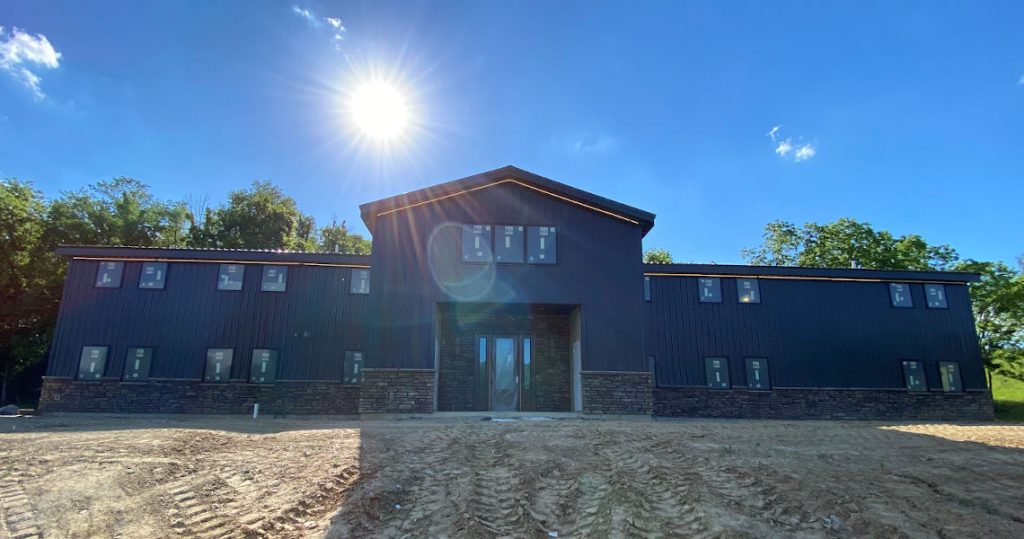
Black barndominiums are popping up across the country as these metal structures have become increasingly popular among homeowners and business owners alike. Whether you’re considering a barndo build for your new home or looking for a unique commercial space, metal barndominium living has plenty of benefits to appeal to consumers, and as home building trends change, so do barndominium trends.
When designing your own home or metal building, exterior color is one of the choices that will be displayed at the forefront of your design. It is, after all, on the outside! Black barndos, often featuring sleek metal roofing, showcase a striking, elegant appearance at a fraction of the cost of some high-dollar, traditional homes and buildings. Not only does this color choice showcase your personal style, it also dictates things like energy efficiency and temperature control.
As you delve into the world of black barndominiums, allow us to be your guide to all topics related to designing the black barn of your dreams and creating a home that will be sleek and timeless.
What is a Barndominium?
As home prices and construction costs continue to rise, barndominium builds have started to increase in popularity among those looking for a cost-effective way to create their new home. In addition to being more affordable, barndominiums also offer the freedom and flexibility to create a home to your specific design wants and needs. Metal barndominiums are also incredibly durable and energy efficient.
If you’re not familiar with the idea, a barndominium is essentially a metal home built using the basic shell of a pole barn. Many of these barn homes include an open floor plan with vaulted ceilings, designed to incorporate a living area with a workshop, large garage, bonus room, and more. They can be built strictly out of metal or as a wood hybrid. Barn house plans have as much design flexibility as a traditional home and a unique style that is truly eye-catching.
3 Advantages of Building a Black Barndominium
While there are many advantages to building a black barndo, here are just a few to help you solidify your choice:
Versatile
There are a variety of options to choose from when it comes to the design and functionality of your barndominium. Open-floor plan options give you room to play with your layout, as well as the ability to add a second level. Barndominium house plans can feature living quarters and open spaces for work, such as a workshop, large garage, airplane hangar, and more. Our barndominium building kits are meant to be truly DIY, from the barndominium floor plan design all the way to construction. You hold all the design power when it comes to creating your dream home.
Stylish
Black barn homes have the benefit of being both stylish and unique. These metal barns can mix both modern and farmhouse styles to create a one-of-a-kind design, especially since they can be customized to your specific wants and needs. As the farmhouse style becomes more sought after, black barndominiums offer homeowners the perfect mix of modern materials with a farmhouse feel.
Cost Effective
Worldwide Steel barndominiums kits are designed to be DIY friendly, from the layout to the construction. These kits include everything you need to build your home. A lot of the work is done through the manufacturing process, which can result in a shorter build time and lower labor costs. Depending on the complexity of your design (second floors, wraparound porch, etc.), the price per square footage starts at around $10.00 and can go up to about $30.00. In addition, barndominium homes can be more energy efficient, which lowers your monthly utility bills, and have lower maintenance and upkeep.
Uses for a Black Barndominium
Barndominium builds aren’t just for homeowners (although we do love the modern-meets-farmhouse vibe). These metal structures are so versatile they can be used for a variety of commercial and personal uses. If you already have a home and are looking for an excuse to build a metal barn of your own, check out this lengthy list of other barndominium design options:
Event Space
Imagine an elegant, black barn sitting in a wide-open field against the natural landscape. The open-concept floor plan provides a blank canvas for any number of events, from weddings to retirement parties. The farmhouse wedding has become more and more popular as couples move toward the rustic-themed decor that graces many Pinterest boards of soon-to-be brides. A black, metal barn provides a versatile space to cater to many events.
Workshop
Are you a hobbyist looking to create more workspace for your latest creations? Maybe your woodworking is finally outgrowing your garage. Whatever the case may be, a barndominium-style structure can provide the perfect solution to your workshop needs. These metal structures offer plenty of space to grow and are easy to maintain, so you can focus your time concentrating on your current project instead of building upkeep.
Garage
Whether you’re a collector of classic cars or looking for somewhere to run your at-home mechanic shop, a custom barndominium can provide all the space you need to keep your tools – and cars – protected from the elements. Garage doors can be added at different heights and widths to account for even the largest of vehicles to easily park.
Guest House
Barndominium homes don’t have to be huge; you can even add a standalone guest house on your property. Our customizable barndominium kits make it easy to select the dimensions and layout of your desires at a lower price than the cost of traditional construction. If you need to get a living space ready for your in-laws or parents and don’t have room in your current home, a modern barndominium could solve your problems.
Shop House
A shop house (or shouse) is quickly gaining notoriety with consumers. In comparison to a barndominium, a shop house also includes a space for a living area and workspace. These were the first barndominium-style structures with a workshop and an attached living space. A shouse gives owners the convenience of having their workshop connected to their living area, so it isn’t necessary to walk outside to get to their workspace.
Black Barndominium Styles and Design Options
Barndominium designs come in many shapes, styles, and sizes, and they are customizable to your own specifications. The interior has as much versatility as a traditional home and can be laid out to your specific needs. That being said, here are just a few design ideas for the exterior to inspire you:
Black Barndominium with Wood Accents
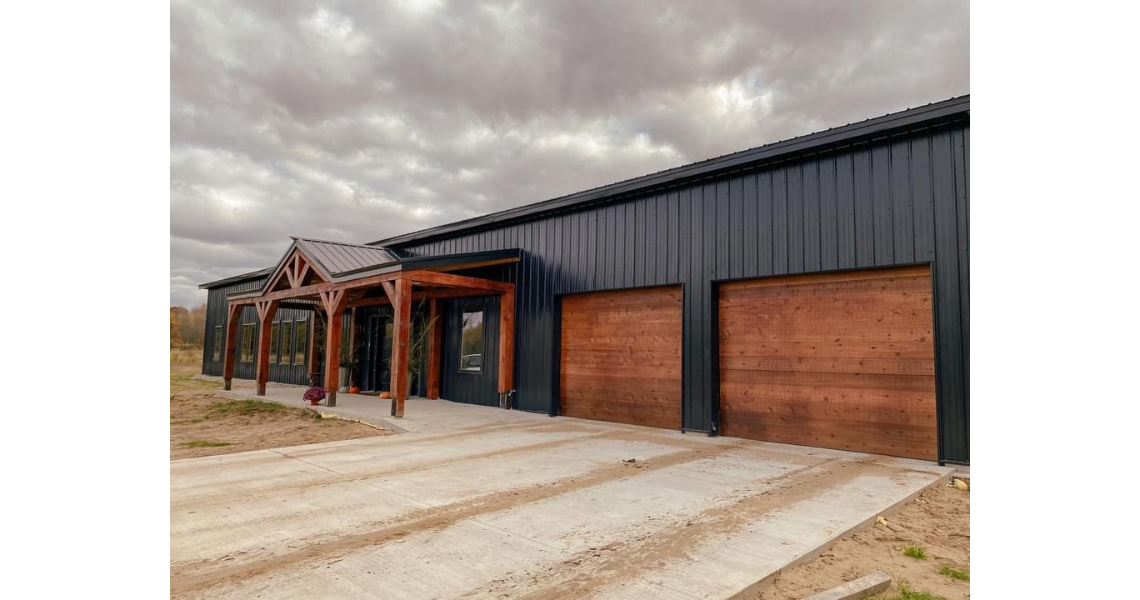
Black barndominiums with wood are an all-time favorite of consumers as sleek, elegant metal meets the natural warmth of wood accents. This mix of modern and natural aesthetics creates a beautiful blend that showcases the contrast between the black exterior with amber wood details. The organic material and wood grain stand out against the black backdrop and draw the eye to make this a striking design.
Black Barndominium with White Trim
If you really want to make your trim pop, then a black exterior can be an excellent counterpoint. Choosing black as your main home color gives you the opportunity to be creative in other aspects of the home exterior, like the trim and doors. This makes these accents stand out and draws attention to specific design elements. Black and white is a classic color combination that creates a contrasting design for your modern barndominium.
Black Barndominium with Copper Roof
The roof can be as much of a design choice as the rest of the exterior. A copper roof is an unexpected feature that causes your barndominium design to stand out from the rest. Similar to the contrast created between black metal and natural wood, these color differences draw attention in a unique way.
Our Favorite Black Barndominiums
Worldwide Steel Buildings has been serving consumers since 1983; in that time, we’ve seen and manufactured tons of metal building homes. In recent years, barndominiums have become more popular with homeowners. Here are a few of our favorite home designs that we’ve helped our customers bring to life:
Bartlett Barndominium
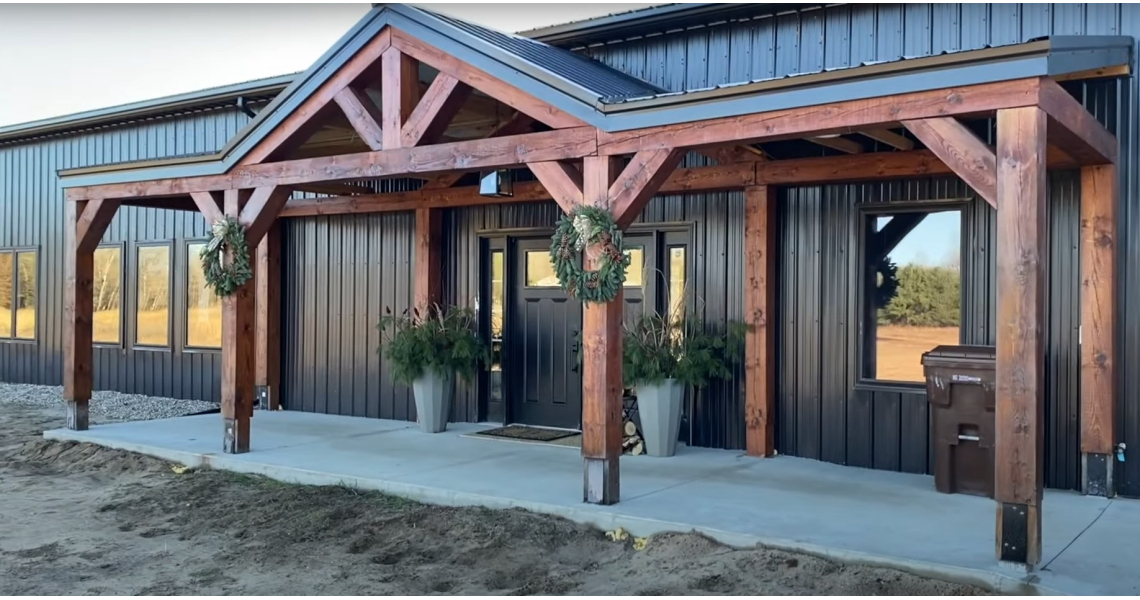
This 4,000 sq. ft. modern farmhouse in Michigan makes striking use of its black metal exterior by contrasting it with the bright, reddish-brown wood porch timbers. The garage doors are made of the same wood and stand out against the metal material.
The interior of this home includes all our modern-day necessities, including an open great room with a gas fireplace, herringbone tile backsplash, and pendant lights over the waterfall kitchen island. This home design mixes rustic and modern finishes in a way that is both timeless and beautiful.
View the Bartlett Barndominium Project
Single Slope Barndominium
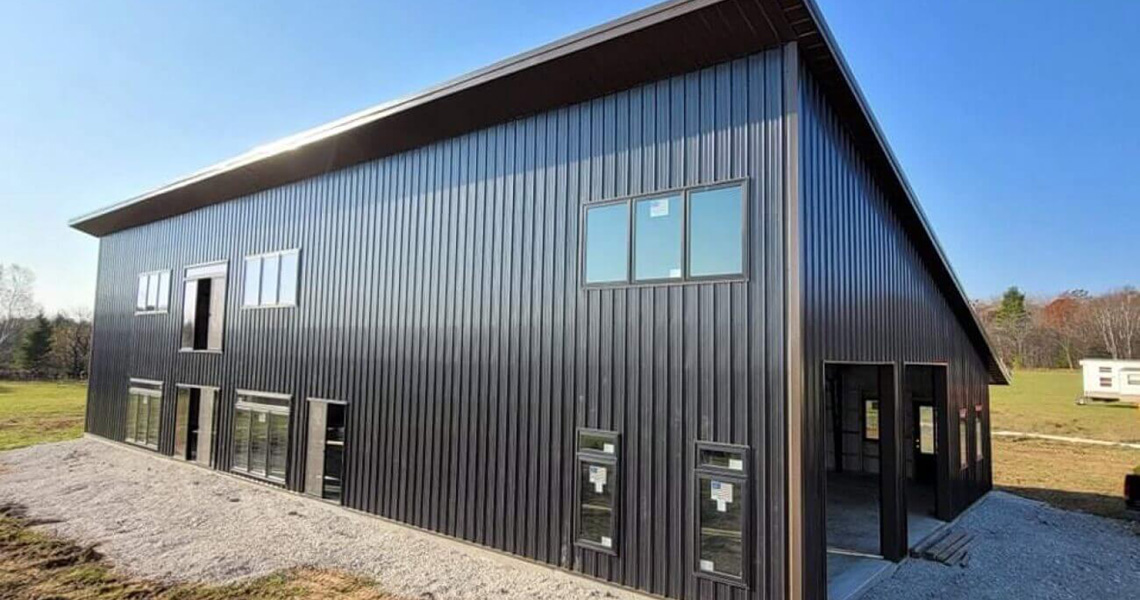
This single slope black barndominium has all the promises of a great, functional living space. The project pictures showcase a finished exterior and foundation, while the interior is full of potential. Windows and doors have been added for a second level in the future. At 3,360 square feet, there is plenty of room to create an interior living space and 2-car garage.
View the Single Slope Barndominium Project
Post Family Barndo
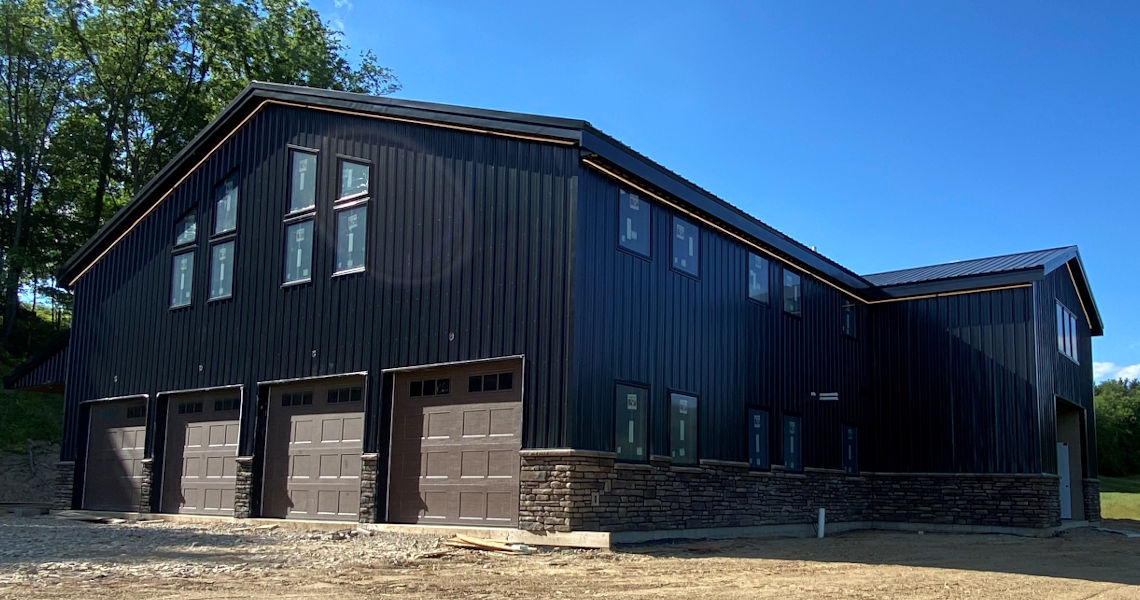
The largest of our black barndominiums, the Post Family Barndo project sits at 5,400 square feet. This structure features a 4-car garage with a second-story living space. The open-concept living room has a breathtaking stone fireplace with high ceilings and loads of natural light. These modern barndominiums don’t skimp on the living space luxuries! The kitchen features an extended island with stone countertops and a walk-in pantry with a barn door. The master bedroom also has a walk-in closet with additional drawers and closet shelves for storing all your belongings.
View the Post Family Barndo Project
Create the Black Barndominium of Your Dreams
Are you ready to start your journey to becoming a barn-style home owner? Worldwide Steel makes it easy to design, create and build the barndominium of your dreams. Whether a black barndominium is your style or you choose to go another direction, we have a variety of options for you to choose from for your own barndominium. Give us a call at 1-800-825-0316 to get started today! Our experts are ready to answer all your questions.
How to Prevent Rust on Metal Buildings
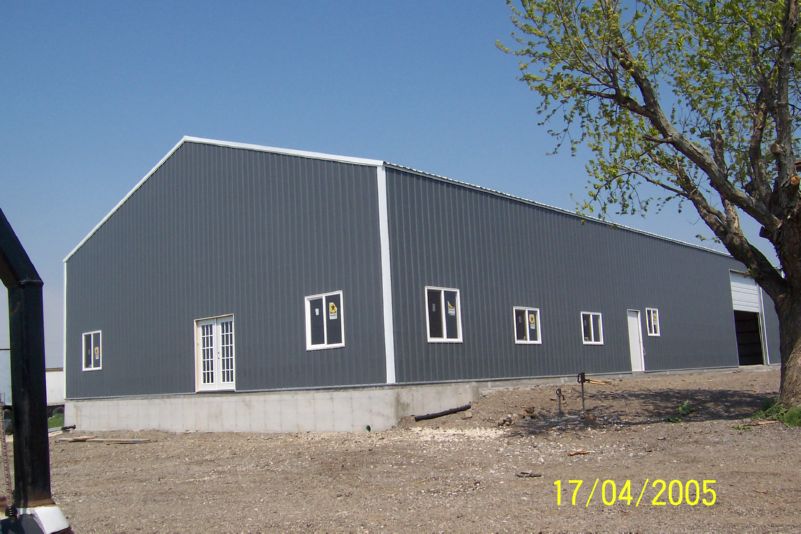
Rust is the silent enemy of metal buildings, gradually weakening steel structures and leading to costly repairs if not addressed promptly. Understanding how to prevent rust is important for anyone investing in a metal shed, metal garage, or any other type of steel building. By implementing strategic design features, selecting the right materials, and following proper maintenance practices, you can protect your metal building from the damaging effects of rust.
Importance of Rust Prevention
Rust is more than just an eyesore; it can compromise the structural integrity of your metal building, leading to serious safety concerns. Over time, unchecked rust can cause metal products to weaken and deteriorate, resulting in high repair costs or even the need for a complete replacement. Therefore, rust prevention is needed not only to maintain the aesthetics of your building but also to ensure its lifespan and safety..
What Kinds of Serious Issues Can Rust Cause?
- Structural Weakening: Rust can erode the metal panels, compromising strength and stability.
- Safety Hazards: Weakened building components pose risks of collapse, particularly in extreme weather conditions.
- Increased Maintenance Costs: Ongoing rust damage can lead to costly repairs and regular maintenance.
- Decreased Property Value: A rusty building is less appealing and can reduce the overall value of your property.
Understanding Rust Formation
Rust is the result of an electrochemical reaction known as oxidation, which occurs between iron, oxygen, and moisture. When metal surfaces are exposed to water and air, iron reacts with oxygen to form iron oxide, commonly known as rust. This chemical process tarnishes the metal and weakens it, making rust prevention a critical aspect of metal building maintenance.
Factors That Accelerate Rust:
- Moisture: The presence of water, whether from rain, humidity, or condensation, is a primary catalyst for rust formation.
- Oxygen: Oxygen in the air combines with moisture to initiate the rusting process.
- Salt Exposure: Salt, especially in coastal areas, accelerates rusting by acting as an electrolyte, speeding up the chemical reaction.
Designing for Rust Resistance
Incorporating rust-resistant design features during the planning stage can reduce the risk of rust formation.
Design Features That Minimize Rust Risk:
- Raised Foundations: Protects the structure from ground moisture.
- Proper Spacing: Ensures good airflow, reducing moisture buildup.
- Proper Drainage: Slopes and gutters divert water away from the structure.
- Protective Barriers: Use galvanized components, galvalume steel, and specialized protective coatings.
Designing your building for sufficient airflow is crucial in preventing moisture buildup, a common cause of rust. This can be achieved through proper ventilation and spacing between building components.
Material Selection
When selecting materials for your metal building project, prioritize high-quality rust-resistant metals like galvanized steel and stainless steel.
Galvanized steel, coated with a layer of zinc, offers excellent corrosion resistance, making it a durable choice for structural components. Stainless steel, known for its corrosion resistance properties, provides longevity benefits by withstanding harsh environmental conditions without rusting.
These metal types not only guarantee structural integrity but also enhance the aesthetic appeal of your building. While galvanized steel may have cost implications due to the coating process, stainless steel offers a balance between cost and longevity.
Additionally, considering appropriate coatings and treatments further enhances the corrosion resistance of these metals, prolonging the lifespan of your building.
Protective Coatings
Consider applying various protective coatings to metal surfaces to enhance their resistance against corrosion and prolong the lifespan of your steel building. When selecting a coating, make sure it’s suitable for the specific environmental conditions your building will face.
Proper surface preparation, including cleaning and priming, is essential before applying any coating to ensure ideal adhesion and effectiveness. Different application methods such as spraying, brushing, or dipping can be used based on the type of coating selected.
Types of Protective Coatings:
- Paint: Provides a coat of paint that shields metal from moisture and oxygen.
- Powder Coating: Creates a hard, protective finish through heat curing.
- Epoxy Coatings: Offers strong adhesion and chemical resistance.
- Sealants for Seams and Joints: Silicone sealants protect vulnerable areas from water infiltration.
- Rust Inhibitors: Chemicals that slow down or prevent the onset of rust.
The primary goal of these coatings is corrosion prevention, creating a barrier between the metal surface and potentially corrosive elements. By choosing the right protective coating and applying it correctly, you can greatly increase the long-term durability of your steel building, saving you time and money on maintenance in the future.
Regular Maintenance
Regular maintenance is vital to rust prevention, even with the best materials and protective coatings. Routine inspections allow you to catch early signs of rust before they become major problems. Start by implementing an inspection checklist to catch any early signs of corrosion. This checklist should include thorough checks for rust spots, peeling paint, and moisture buildup on surfaces.
Regular cleaning to remove dirt, debris, and other contaminants will help keep your building in top condition. Set up a regular maintenance check schedule to promptly address any potential issues. This includes inspecting building components, checking for discoloration, and reapplying treatments as necessary.
Environmental Considerations
The environment surrounding your steel structures plays a significant role in rust formation. Buildings in humid or coastal areas are more susceptible to rust due to higher moisture levels and salt exposure.
Mitigation Strategies for Adverse Environments:
- Humidity Control: Use a dehumidifier to maintain optimal moisture levels.
- Proximity to Saltwater: Apply specialized protective coatings designed to withstand salty air.
- Climate Adaptation: Implement enhanced maintenance schedules in harsh environments.
Understanding and adapting to your building’s environment is key to preventing rust.
Repairing Existing Rust
If rust does develop on your metal building, it’s vital to address it promptly to prevent further damage. Identifying the early signs of rust is the first step in maintaining the structural integrity of your building.
One of the earliest indicators of rust is discoloration on your metal surfaces. Reddish-brown or orange spots may appear, particularly in areas exposed to moisture. Another clear sign of rust formation is bubbling or peeling paint, which occurs when rust begins to form beneath a coat of paint, causing the paint to lose adhesion and bubble or peel away. As rust progresses, it can cause the surface to become rough or pitted, signaling that corrosion is advancing and could lead to more extensive damage if not addressed promptly. In some cases, you might notice a bluing effect, where the metal develops a bluish tint—often a precursor to rust in areas exposed to heat or high humidity. Additionally, rust streaks running down the surface of your building materials may indicate corrosion is spreading from higher up on the structure.
Once rust is identified, it’s important to act quickly with the appropriate removal techniques to prevent further deterioration.
Techniques for Rust Removal:
- Abrasive Blasting: This method uses high-pressure sandblasting or similar techniques to mechanically strip away rust, leaving the metal surface clean.
- Chemical Treatments: Rust converters or phosphoric acid solutions can be used to neutralize rust, converting it into a stable compound that can be painted over.
- Reapplication of Protective Coatings: After rust removal, it’s necessary to reapply protective coatings such as powder coating, paint, or sealants to prevent future corrosion and protect the metal surface.
In severe cases where rust has caused significant damage, replacing or reinforcing the affected areas may be necessary. Fasteners, joints, and other building components that have been compromised by rust might require professional attention. Seeking professional help ensures that repairs are done effectively, preserving the structural integrity of your building and extending its lifespan.
The Worldwide Steel Advantage
At Worldwide Steel Buildings, we don’t just sell steel structures—we provide peace of mind. Our buildings are designed to resist rust and are built with materials that offer superior protection against corrosion. With our customizable designs, homeowners and business owners alike can have a structure that meets their needs and stands up to the elements.
Preventing rust on your metal building requires a combination of smart design, quality materials, protective coatings, and regular maintenance. By taking these steps, you can ensure that your new metal building remains in excellent condition, protecting your investment and providing you with a durable, long-lasting structure.
Ready to build? Contact Worldwide Steel Buildings today to learn more about our rust-resistant designs and how we can help you create the perfect steel structure for your needs.
The Ultimate Guide to Metal Boat Storage Buildings
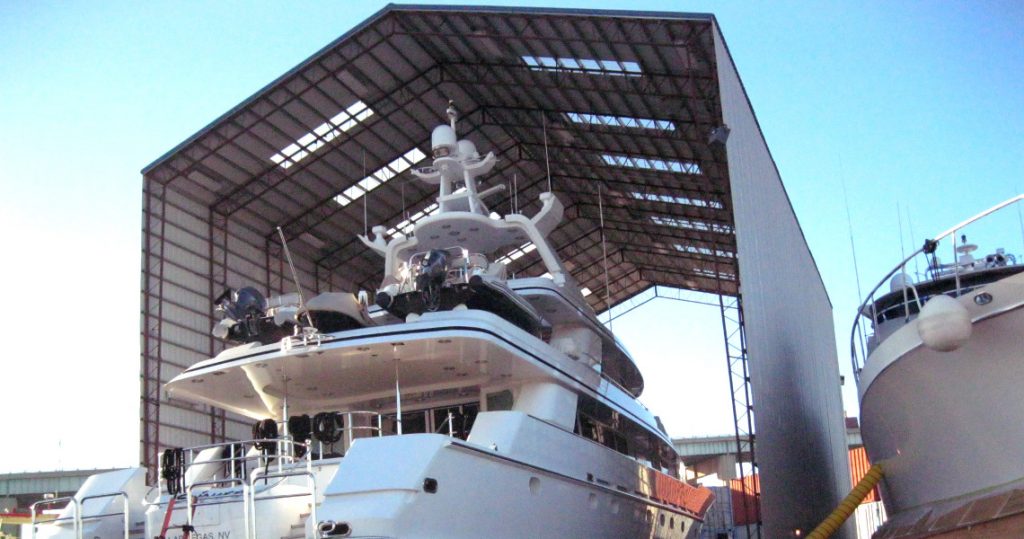
As boat owners, we understand the value of our prized watercraft and the need to protect them from harsh weather conditions, rust, and potential damage when they’re not on the water. While some of us may be fortunate enough to have access to a marina, boatyard, or storage unit, many individuals prefer the convenience of storing their boats right on their property. This is where metal boat storage buildings come into play.
Metal boat storage buildings offer numerous benefits and customization options. With the highest quality materials and a 50-year structural warranty, these American-made steel buildings are designed to withstand harsh weather conditions and heavy snow loads and provide long-term protection.
In this comprehensive guide, we will explore the world of metal boat storage buildings, discussing their numerous advantages, factors to consider when choosing one, different types, installation and maintenance tips, and even environmental benefits. Whether you’re a seasoned boat owner or just embarking on your aquatic adventures, this guide will help you make an informed decision regarding your boat storage needs.
Why Metal Boat Storage Buildings?
One of the first questions you might ask is, “Why should I choose a metal boat storage building?” The answer lies in the numerous advantages these structures offer:
Metal boat storage buildings offer unparalleled durability and protection for your valuable watercraft. These high-quality steel buildings have numerous advantages that make them an ideal choice for boat storage.
Firstly, their durability ensures they can withstand harsh weather conditions, protecting your boat from wind, rain, and snow. Additionally, metal buildings are resistant to mold and moisture, keeping your storage facility dry and safe. Their weather resistance ensures that your boat remains in pristine condition.
Furthermore, metal boat storage buildings require low maintenance, saving you time and money in the long run. The minimal maintenance requirements of these buildings make them a cost-effective option for boat storage.
With their long-lasting durability, weather resistance, low maintenance, and cost-effectiveness, metal boat storage buildings are the perfect choice for protecting and preserving your watercraft.
Factors to Consider When Choosing Metal Boat Storage Buildings
When choosing a metal boat storage building, there are several factors you should consider. These factors include the size and dimensions of your boat, as well as the security features and access control options that the storage building offers.
Size and Dimensions: Ensure that the boat storage shed can accommodate your specific watercraft. Metal boat storage buildings come in various sizes and dimensions to cater to the diverse needs of boat owners.
Security Features: Look for options with robust security features and access control systems to protect your boat from theft and vandalism.
Ventilation and Climate Control: Adequate ventilation and climate control are essential to prevent moisture buildup, mold, and mildew. Consider options that offer these features to maintain a dry and comfortable environment for your boat.
Customization Possibilities: Each boat owner has unique storage needs. Opt for a metal building that can be customized to your specs, including garage door and roof style options.
Types of Metal Boat Storage Buildings
There are various options available when choosing the suitable metal building for your needs.
Enclosed Metal Buildings: These structures, resembling metal garages, offer comprehensive protection with walls and a roof, ensuring your watercraft is shielded from all angles and securing it against various weather conditions.
Canopy and Open-Sided Structures: Perfect for boat owners who want partial coverage, these structures provide overhead protection while allowing air circulation.
Prefabricated vs. Customizable Options: Choose between streamlined prefab building systems, providing quick and easy solutions, or opt for custom-built structures tailored to your specifications. Whether you need roll-up doors or specific dimensions, customization ensures your boat storage solution is perfectly suited to your requirements.
When considering size, it’s essential to consider the dimensions of your boat and any additional equipment or accessories that need to be stored.
Security features such as motion sensors, alarms, and surveillance cameras can be added to ensure the safety of your boat. It’s also important to consider cost comparison and maintenance requirements when making a decision.
Installation and Maintenance Tips
To ensure the longevity and protection of your metal boat storage building, it must be maintained regularly. Proper installation is the first step towards ensuring its durability. When installing your metal boat storage building, make sure to follow the manufacturer’s instructions and guidelines.
Clear the site of any debris or obstacles, ensuring a level and stable foundation. Regular maintenance practices include cleaning and inspecting the building for any signs of damage or wear. Use appropriate cleaning techniques, such as gentle pressure washing and mild detergent, to remove dirt and grime.
To prevent corrosion, regularly check for any signs of rust or deterioration and promptly address them. Applying a protective coating or paint can also help prevent decay and extend the lifespan of your metal boat storage building.
Tips for Organizing Your Boat Storage Building
Organize your boat storage building efficiently to maximize space and accessibility.
When it comes to efficient shelving, consider using adjustable shelves to accommodate different sizes of boat accessories and gear. This will allow you to make the most of the available space.
Additionally, proper labeling is crucial for easy identification of items. Use clear, concise labels on each shelf or storage container to quickly locate what you need.
Utilizing vertical space is another effective way to optimize storage. Install overhead racks or hooks to hang items such as life jackets, ropes, and fishing gear.
Grouping similar items together will further enhance organization. Keep all boat maintenance tools in one area and store water sports equipment in another.
Lastly, establish regular cleaning routines to keep your storage building clutter-free and maintain a sense of order.
Environmental Benefits of Metal Storage Buildings
Metal storage buildings offer significant environmental benefits compared to other building materials. One of the key advantages is their energy efficiency. Metal is a highly reflective material, which means it can effectively reduce the amount of heat absorbed from the sun, leading to lower cooling costs. Additionally, metal buildings can be designed with insulation systems that further enhance their energy efficiency.
Another important aspect is the sustainability of metal storage buildings. Steel, the primary material used in these structures, is one of the most recyclable materials on the planet. This means that at the end of a building’s life cycle, the steel components can be easily recycled and used to produce new products, reducing the demand for new raw materials and minimizing waste.
Furthermore, steel structures have a lower environmental impact than other building materials. Steel production involves less energy consumption and fewer greenhouse gas emissions compared to materials like concrete or wood. Additionally, metal buildings can be designed to incorporate eco-friendly materials, such as cool roofs that reflect sunlight, further reducing their environmental footprint.
Your Ultimate Solution with Worldwide Steel Buildings
When it comes to safeguarding your cherished watercraft, metal boat storage buildings are the ultimate choice. Their unbeatable durability, cost-effectiveness, and customization options are unmatched, making them the top choice for boat owners worldwide.
But where can you find the perfect metal boat storage building to meet your specific needs? Look no further than Worldwide Steel Buildings. With a reputation for excellence and a commitment to delivering the highest quality metal structures, we are the go-to choice for boat owners seeking the best building kits in the business.
By choosing Worldwide Steel Buildings, you’re not just investing in a top-notch metal storage solution; you’re also choosing peace of mind. Our team of building specialists can guide you through every step of the process, from selecting the right size and design to ensuring your boat garage is tailored to your unique requirements.
To take the first step towards protecting your boat and preserving its longevity, reach out today for a free quote. Discover how our expertise, unmatched quality, and dedication to customer satisfaction can provide you with the ideal metal boat storage space that will stand the test of time. Don’t settle for anything less than the best – secure your watercraft with Worldwide Steel Buildings, your trusted partner for all your steel building needs.
Keep Your Metal Building Warm in Winter
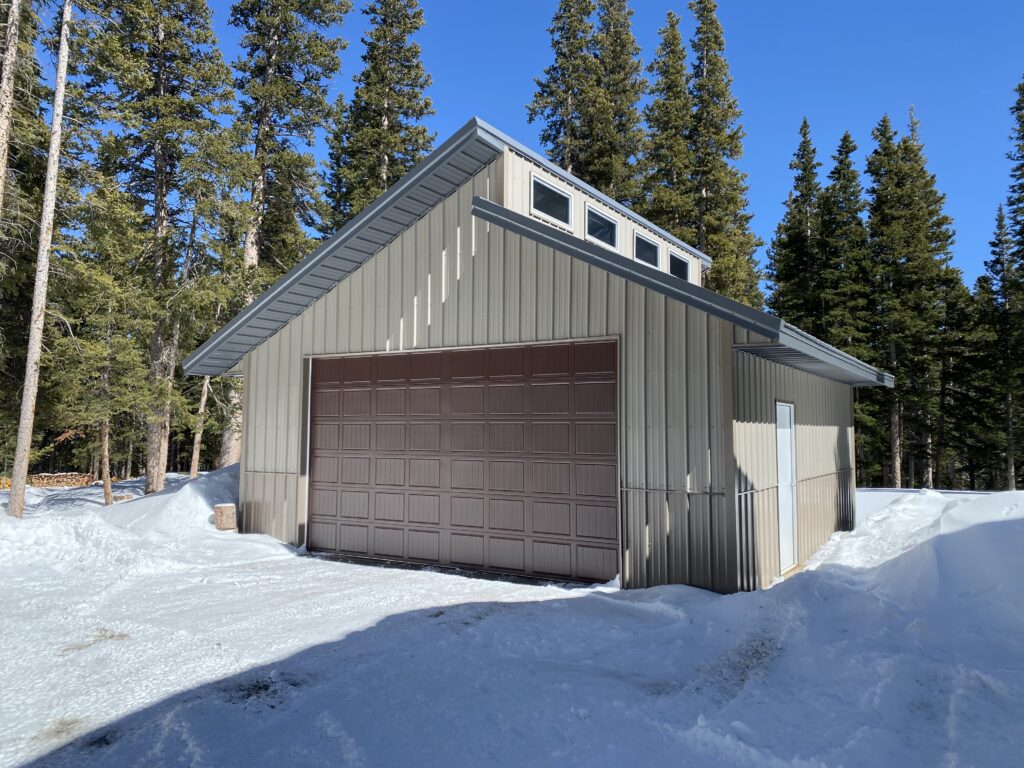
Are you struggling to keep your metal building warm during the winter? We’ve got you covered! Winter months can be harsh, especially in cold climates. If you own a metal building or steel structure, you might be concerned about how to keep it warm during the chilly season. Maintaining a comfortable temperature inside your metal structure ensures your comfort and protects your belongings and equipment from extreme cold. This comprehensive guide will explore practical strategies and solutions to keep your metal building warm in the winter months.
Insulation
Quality insulation is crucial for maintaining a comfortable temperature inside your metal building. Several insulation options are suitable for metal buildings, each with pros and cons. Investing in high-quality metal building insulation is one of the most effective ways to keep your metal building warm. Two common types of insulation for metal buildings are spray foam insulation and fiberglass insulation.
- Spray Foam Insulation: This type of insulation is highly effective at sealing gaps and providing an airtight barrier. It expands to fill even the most minor cracks and crevices, preventing cold air from entering and warm air from escaping. Spray foam insulation also has a high R-value, which measures its insulating capacity.
- Fiberglass Insulation: Fiberglass insulation is popular due to its affordability and easy installation. It provides good thermal resistance but can lead to moisture buildup if improperly sealed. It comes in batts or rolls and is designed to fit between the framing members of your steel building. Adequately installed fiberglass insulation can provide excellent thermal resistance and reduce heat loss.
- Reflective Insulation: Reflective insulation, such as radiant barriers, can be used in conjunction with other insulation materials to enhance energy efficiency. It works by reflecting heat back into the building.
Sealing and Weatherstripping
To effectively seal and weatherstrip your steel building, check for gaps and cracks in the building envelope. These common problem areas can allow cold air to enter and warm air to escape, making it challenging to keep your building warm in winter.
Inspect areas such as windows, doors, roof vents, and electrical outlets for any signs of gaps or cracks that may cause air leaks. Once identified, seal these areas using weatherstripping materials such as silicone caulk or foam tape.
Install weatherstripping around doors and windows to create a tight seal. Check for gaps around eaves and openings, and use caulk or sealant to close them. Weatherstripping techniques also include installing door sweeps on exterior doors to prevent drafts and using weatherstripping strips on windows to create a tight seal.
Upgrading Windows and Doors
One way to improve the insulation in your metal building and reduce heat loss is by upgrading your windows, skylights, and doors. Windows and doors are common areas for heat to escape, so choosing energy-efficient options is vital. Look for windows and doors with low U-values, which indicate better insulation.
Double or triple-pane windows with gas fills, such as argon or krypton, provide an extra layer of insulation. Low-emissivity (Low-E) coatings on windows can also help to reflect heat back into the building. Upgrading your windows and doors can significantly improve the insulation in your metal building and keep it warm during the winter months.
Heating Systems for Metal Buildings
Your heating, ventilation, and air conditioning (HVAC) system plays a crucial role in maintaining a comfortable indoor environment. Ensure your HVAC system is in good working condition and appropriately sized for your building. To effectively keep your metal building warm in winter, you’ll need to consider the heating systems available. There are several options to choose from, each with its own advantages and disadvantages.
One option is a forced-air heating system, which uses a furnace to heat air and then distributes it throughout the building using ductwork and vents. This type of system is efficient and can quickly heat large spaces.
Another option is radiant heating, which uses panels or tubes to emit heat directly into the space. This system is more energy efficient and provides consistent warmth. Install radiant barriers on the underside of your metal roof to reflect heat downwards. This can help maintain a comfortable temperature inside your building. Also consider a radiant floor heating system, where heat is emitted from pipes installed beneath the floor. This system provides even heat distribution and is ideal for concrete floors.
Design and Layout
When designing and laying out your steel structure, consider the impact it can have on the space’s energy efficiency. The building size, design, and layout choices you make can significantly affect how warm your building stays during the winter months.
You should also pay attention to the placement of large windows and doors. It’s best to minimize the number of windows and doors on the north-facing side of the building, as this is where the cold winds typically come from. Also, choosing energy-efficient windows and doors can help further reduce heat loss.
Lastly, consider the layout of your building. Optimize the layout to minimize open spaces and drafts, ensuring warm air is circulated efficiently throughout the area.
Additional Tips for Winterizing Metal Buildings
If you want to ensure your metal building stays warm during winter, it’s important to take some additional steps to winterize it properly.
- Thermal curtains or blinds can also be installed on windows to provide an extra layer of insulation.
- Using portable heaters, heat lamps, or space heaters can provide localized warmth in specific areas of the building.
- Proper ventilation is important to maintain air quality and prevent condensation buildup and mildew.
- Regularly maintain and inspect your heating system to ensure it’s working efficiently and providing sufficient heat to keep your metal building warm throughout the winter months.
Get a Free Quote from Worldwide Steel Buildings
Don’t let the cold winters take a toll on your comfort and energy costs. With these strategies and solutions, you can ensure that your metal building remains warm and welcoming even during the coldest winters. By taking proactive steps to insulate and seal your building, you’ll increase comfort and save on energy costs.
Whether you want to upgrade your insulation, HVAC system, or explore other climate control options, we have the expertise to assist you. Keep your metal building warm and comfortable all winter long. Contact Worldwide Steel Buildings today for a free quote on a prefab metal building kit and climate control solutions. Don’t let colder climates affect your comfort and energy costs.
8 Benefits of a Barndominium
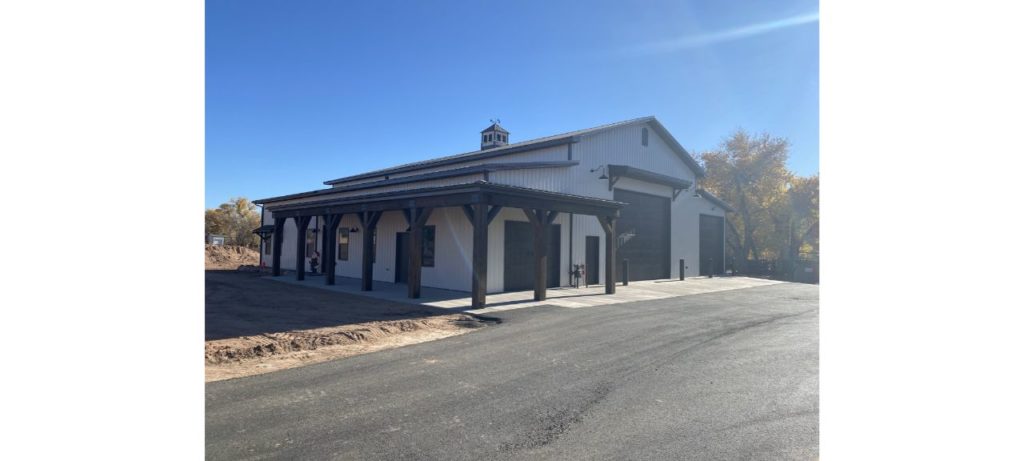
In recent years, barndominiums have grown in popularity among homeowners looking for a unique blend of rustic charm and modern living. These versatile metal structures offer numerous advantages over traditional homes, making them an excellent choice for those seeking an uncommon living experience. In this blog, we’ll explore the multiple benefits of barndominium living and explain why these homes are gaining popularity.
From their exceptional durability, spacious open layouts, and energy-efficient features to their low maintenance requirements and customization potential, barndominiums have captured the attention of homeowners and real estate enthusiasts alike. We’ll dive into these advantages and showcase how barndominiums cater to modern needs while offering a one-of-a-kind living experience that’s as stylish as it is practical.
Whether you’re a first-time homebuyer looking for your dream home, an aspiring builder, or simply curious about the appeal of barndominiums, join us as we explore the eight benefits of a barndominium.
1. Durability
One of the main benefits of steel barndominiums is their durability. They are highly resistant to corrosion and the wear and tear that can affect traditional wooden houses. Steel frames, metal siding, and metal roofing are solid, providing excellent structural support. This durability ensures that your investment stands strong for years to come, even in harsh weather conditions. Unlike wooden homes, steel frame barndominiums can withstand hurricanes, tornadoes, and earthquakes, offering peace of mind to homeowners.
2. Spacious Living
Another great feature of barndominiums is their open floor plans. Unlike the compartmentalized layout of many traditional houses, barndominiums offer vast, open spaces that maximize your living area. This open concept design creates a sense of freedom and versatility that’s perfect for various lifestyles. Barndominiums typically come in at a lower price per square foot than traditional homes, giving you more house for your budget. This extra living space can be used for a variety of purposes, including additional bedrooms, recreational areas, or even a home office.
3. Energy Efficiency
In an era where eco-friendliness and energy efficiency are increasing in popularity, metal barndominiums are a top choice for homeowners. These structures are known for their excellent insulation properties, which contribute to energy savings. The insulation systems used in metal buildings help maintain comfortable indoor temperatures, reducing heating and cooling costs throughout the year. Homeowners in rural areas, where access to utility services may be limited, appreciate the self-sufficiency and lower energy bills that barndominiums provide. Additionally, metal building materials are recyclable, minimizing waste and benefiting the environment.
4. Low Maintenance
Steel building homeowners enjoy the luxury of less maintenance. Unlike wood frame homes that are susceptible to termite infestations and corrosion, metal homes are virtually termite-proof and corrosion-resistant. Compared to traditional wooden houses that require regular upkeep to combat termites and wood rot, barndominiums are known for their low maintenance. The metal siding and steel frame require minimal care, allowing you to spend more time enjoying your home and less on upkeep. This can also mean fewer repair and maintenance costs over the years.
5. Versatility in Design
Barndominiums allow homeowners to customize their new home to match their unique preferences. High ceilings, porches, and open spaces provide a blank canvas for interior design and layout creativity. This versatility allows you to create your dream barndominium tailored to your vision. Many barndominiums feature high ceilings, creating a spacious and airy atmosphere that homeowners love. In addition to being durable, metal siding is also highly customizable. Homeowners can choose from various colors and textures to create their desired exterior look.
6. Affordability
Building a barndominium can often be more cost-effective than traditional wooden houses. Barndominium kits are prefabricated, which means less on-site labor is required. This leads to reduced labor costs, faster construction times, and lower construction costs. Lower costs, combined with the efficiency of the building process, make barndominiums an attractive option for budget-conscious homebuyers. The affordability of barndominiums can also lead to lower real estate taxes and insurance rates.
7. Resale Value
The resale value of barndominiums is quite promising. These unique homes are gaining popularity and selling at higher prices. Many people want barndominiums because they come with special features like open spaces and energy efficiency. Barndominiums look charming and don’t need much upkeep, making them even more attractive to buyers. Plus, you can find them in various places, which makes them a good choice for different buyers. All these factors add up to barndominiums being an intelligent investment, likely to grow in value when you decide to sell.
8. Barndominium Kits
For those looking for a convenient and straightforward home build, barndominium kits are available. These kits include all the essential components, making the construction process more accessible for DIY enthusiasts and professional builders. Barndominium kits are available in various configurations, making it easier than ever to start the journey to your dream barndo. These kits can save time and money during the construction process.
At Worldwide Steel, we manufacture our own precision-welded steel trusses and design our barndominium kits with the DIY-er in mind. That means you can save even more on barndominium construction costs — no construction companies required.
Embrace the Barndominium Lifestyle with Worldwide Steel Buildings
From their durability and spacious designs to their energy efficiency and customization potential, barndominiums are a type of home that both homeowners and real estate professionals love! If you’re excited about becoming a barndominium owner and want to turn your dream into reality, look no further than Worldwide Steel Buildings.
Worldwide Steel Buildings has over 100 years of building experience and is a leading commercial and residential steel building manufacturer. Our expertise in steel framing and construction materials makes us the perfect partner in your journey to barndominium ownership. And we have a 50-year warranty on all our buildings, including barndominiums. We also offer financing options for both residential and commercial steel buildings.
Don’t wait any longer to embrace the barndominium lifestyle! Contact Worldwide Steel Buildings for your free quote today and take the first step towards owning your dream barndominium – a home that blends rustic charm with modern convenience, all under one sturdy steel roof.